
If you are financially and mentally ready to purchase a home, sitting through a homebuyer education course might be the last thing you want to do. However, some mortgage programs require completion of a course. Instead of viewing homebuyer education as an inconvenience, you should focus on the benefits of the course. A home purchase is a major commitment and a decision that shouldn't be taken lightly. Therefore, it’s important to have a clear and accurate understanding of the home buying process. Here are three facts about a homebuyer’s education course. 1. You can take a class free of charge Several lenders and organizations sponsor or offer home buying education courses. Some courses are free, but others charge a fee. Even if your lender or mortgage program doesn’t require completion of homebuyer education, signing up for a class is worth consideration. You can find HUD-approved homebuyer education courses online, or your state may offer a free course. For example, the Virginia Housing Development Authority (VHDA) offers a free class that anyone can take, regardless of whether they’re getting a VHDA… Read more
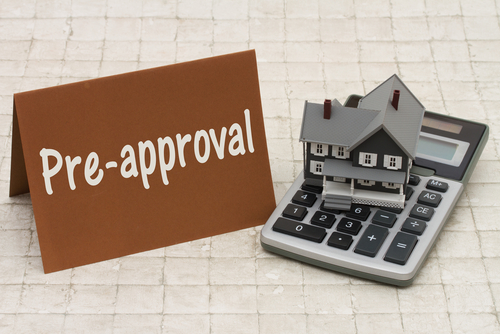
A pre-approval letter is your biggest bargaining chip when shopping for a home. Getting pre-approved isn't a requirement. But when you include a pre-approval letter with a home offer, it says you're a serious buyer and you’ll get the seller’s attention. A pre-approval means you’ve submitted an official mortgage application and provided the lender with financial documentation, such as your most recent bank statements, pay stubs, w-2s and tax returns. You also give the lender permission to check your credit. Your pre-approval letter, however, is more than a letter saying you qualify for a home loan. It also includes information that you, your realtor and home sellers need to know. 1. Type of mortgage There are numerous home loan products, and as the borrower, you need to know the type of mortgage you’re approved for. Your pre-approval letter will indicate your mortgage program, such as FHA, conventional, USDA or VA home loan. This is important because different mortgages have different down payment requirements and minimum credit score requirements, plus your type of mortgage determines how much a seller can contribute… Read more
Home ownership is expensive when you add up the costs to purchase a home, home maintenance and home repairs. However, your home is one of your biggest assets, and ownership can be profitable. But even if the cost of buying a home is more expensive than you expected, you might take solace in knowing you can deduct your home mortgage interest and recoup some of your investment. Before filling out your tax form, here is what you should know about deducting home mortgage interest. 1. It must be your mortgage You cannot deduct home mortgage interest on a property that's in another person's name. To qualify for this write-off, your name must be listed as a primary borrower or a co-borrower on the mortgage loan. It doesn't matter if you're the person paying the mortgage every month. The IRS will not allow the deduction if your name doesn’t appear on the home loan. 2. Your standard deduction may be more profitable When filing your tax return, you have the choice of itemizing your return or taking a standard deduction. You… Read more

Buying a house often involves spending your own cash upfront. But even if you prepare financially for a purchase, you may be surprised by the number of fees charged by mortgage lenders and brokers. There are administrative costs associated with each mortgage loan, and unfortunately, you’re responsible for paying these expenses. The amount you’re charged by a bank or broker varies depending on the company you’re working with. Mortgage fees have a big impact on how much you actually spend for a house, so it’s important that you’re not overcharged. Here’s how to protect yourself. 1.Clean up your credit history Fixing a poor credit history is one of the best ways to save money on a mortgage loan. You don't need an impeccable credit history to qualify for a mortgage, but a high score can almost guarantee a low interest rate, plus applicants with the highest scores pay the least amount for private mortgage insurance (PMI). You can qualify for a conventional mortgage with a credit score as low as 620, but you'll qualify for a more favorable rate with… Read more
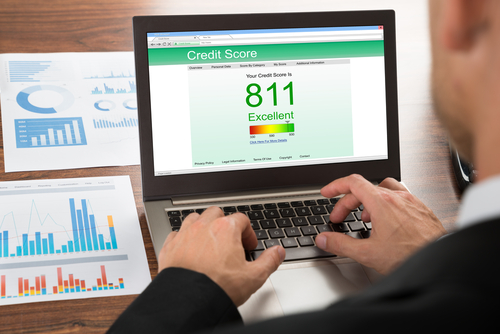
It’s become harder to qualify for a home loan in recent years. Therefore, it is important to understand what banks look for in an applicant. Getting a mortgage typically requires a down payment and consistent employment, and you have to meet the lender’s credit requirements. However, some applicants never check their credit file before meeting with a mortgage lender. If you're thinking about a home purchase, here are four reasons to check your credit beforehand. 1. Your credit score could be lower than you realize Some applicants assume their credit is good, so they don’t check their score or reports prior to applying for a mortgage. But even if you pay your bills on time and have a seemingly good relationship with your creditors, your credit score may not be high enough to qualify for the most favorable interest rates. There is no way to know where you stand credit-wise until you order your credit report and credit score. You can qualify for a conventional mortgage with a credit score as low as 620 and an FHA mortgage with a… Read more



Featured Mortgage Loan Companies of 2026